
Target Support
Where Its Needed Most
Target households most at risk from rising energy costs using real property, affordability, and energy-risk data — not assumptions. xenscope helps organisations focus support, funding, and interventions where they deliver the greatest benefit.

Local authorities need to design and deliver fuel poverty strategies that are fair, defensible, and evidence-led.
xenscope can support this by identifying households most at risk and helping direct limited resources where they deliver the greatest impact.
Housing associations need to prioritise homes and tenants for energy efficiency improvements while balancing vulnerability, affordability, and long-term asset planning.
xenscope can help by providing clear, property-level insight to guide intervention and investment decisions.
Energy charities and NGOs need to reach households experiencing genuine energy pressure without relying on blunt area-level indicators.
xenscope can enable more effective outreach by focusing support on households where need is highest and intervention is most appropriate.
Fuel poverty isn’t driven by a single factor. It emerges from the interaction between income pressure, housing condition, energy efficiency, and local context.
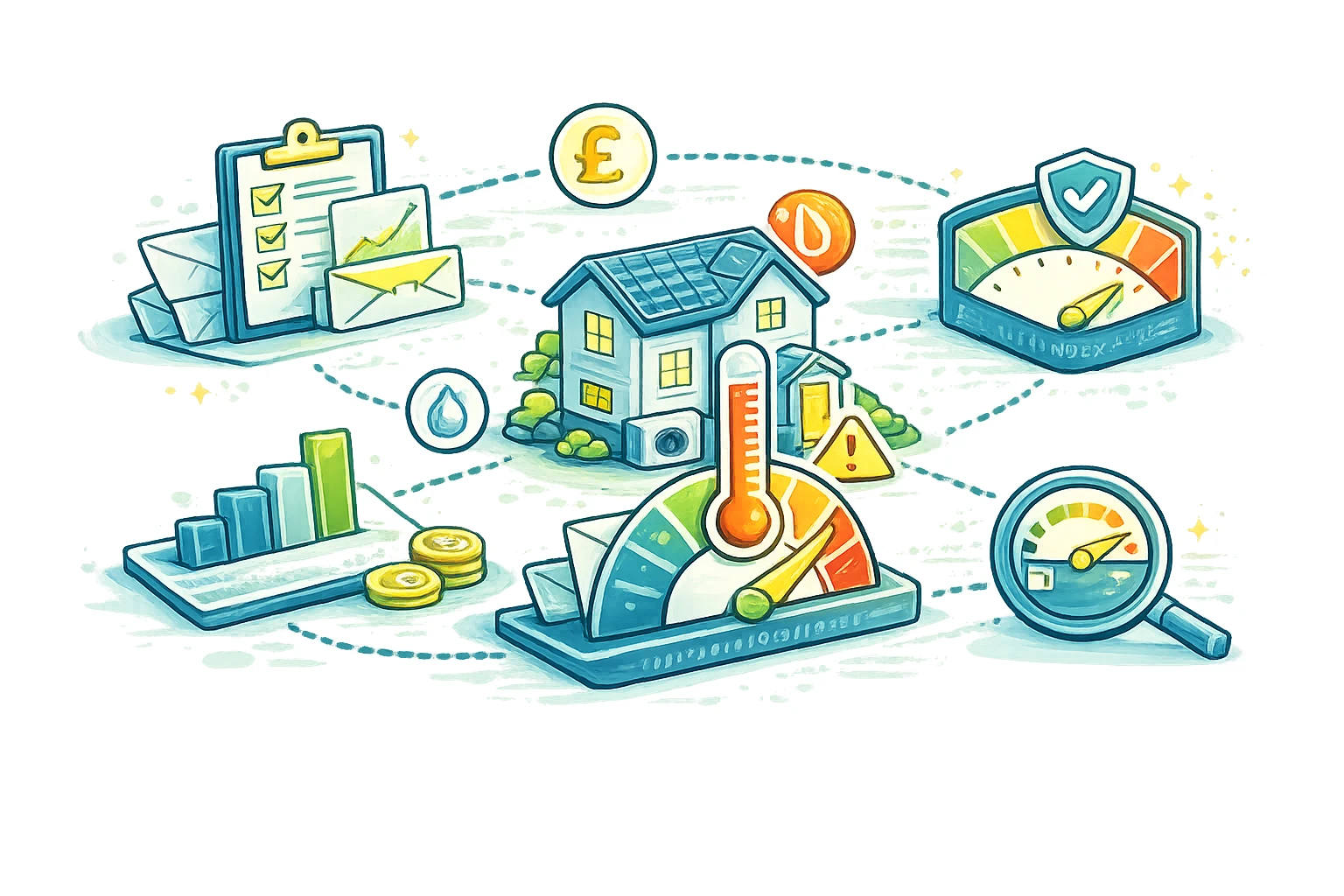
The Fuel Poverty Risk Index brings these signals together into a single, consistent framework.
xenscope uses AI-assisted modelling to combine multiple data sources and identify households where energy risk is most acute — without relying on blunt area averages or one-dimensional indicators.
The index is built using composite scoring across:
- Deprivation indicators that reflect economic and social pressure
- Energy efficiency and property performance characteristics
- Affordability and housing context, including real-world cost constraints
Each household score is normalised, allowing fair comparison across towns, districts, and regions. This ensures that risk is assessed consistently, even where local baselines differ.
The result is a practical, transparent index that helps teams:
- Prioritise households with the greatest need
- Design targeted interventions with confidence
- Justify decisions to funders, auditors, and policy teams
This isn’t predictive profiling or automated decision-making.
It’s decision support — designed to surface risk clearly, responsibly, and in a way that can be explained.
Fuel Poverty Risk Index
Find Households That Need Support - Not Just Areas With High-Level Risk
Most fuel poverty targeting still relies on postcode or neighbourhood averages. But vulnerability doesn’t spread evenly across a map.
xenscope goes deeper — down to the individual property — so you’re not relying on broad area statistics that hide the households most in need.
xenscope brings together multiple data layers to build a practical, real-world picture of household energy pressure, including:
- Property characteristics such as type, size, and build profile
- Energy efficiency indicators and potential performance issues
- House price and affordability context that signals financial resilience
- Deprivation and vulnerability factors linked to household pressure
- Location-specific patterns that influence energy costs and access to support
By combining these signals, xenscope surfaces individual households where energy risk is most likely to be felt — homes that:
- Are struggling with energy affordability
- Live in properties with poor energy performance
- Would benefit most from targeted advice, funding, or retrofit support
This isn’t about labelling areas as “good” or “bad”.
It’s about identifying real household-level need, so every intervention — from outreach to investment planning — is grounded in evidence, fairness, and practical impact.
Guiding Support With Insight
Add Context. Strengthen Targeting.
Fuel poverty rarely exists in isolation. Households under energy pressure are often interacting with multiple support services at the same time.
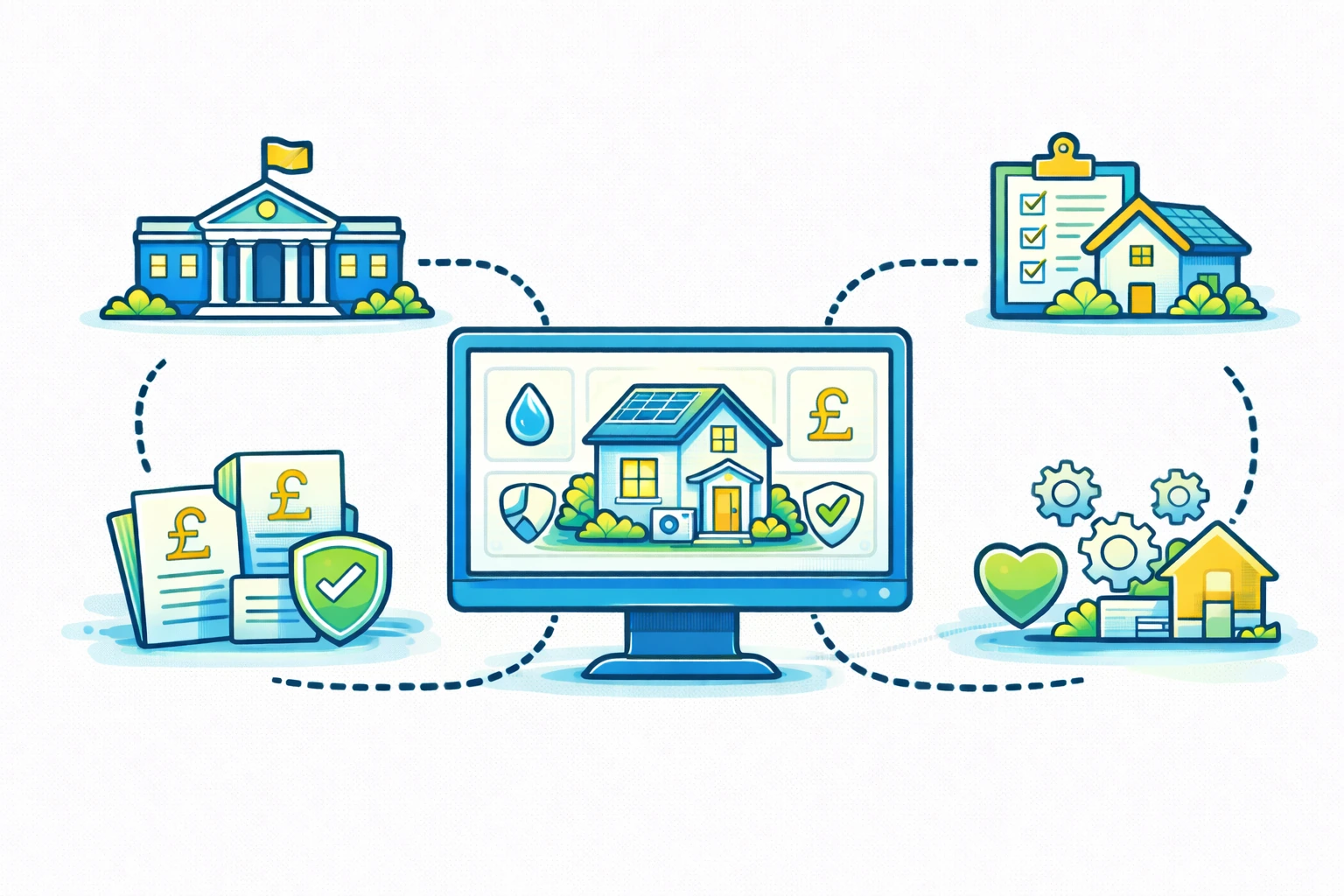
xenscope can integrate with internal systems — such as benefits, welfare, housing, or health data environments — to add deeper context to property-level energy risk.
This helps organisations:
- Identify overlapping vulnerabilities and compounding pressures
- Prioritise households already known to support services
- Coordinate interventions across departments and delivery partners
- Design support that reflects real-world household circumstances
- Better data sharing leads to more joined-up action, not duplicated effort.

Stop Blanket Communications
Instead of sending generic letters across entire neighbourhoods and hoping the right people respond - identify streets and clusters where energy vulnerability is most likely.
- Segment households by level of need and property suitability
- Tailor messaging based on support eligibility, not just geography
- Reduce wasted contact with households who are unlikely to qualify or engage
Fewer letters.
Better engagement.
More support reaching the households that need it.
Approach Support With Context and Care
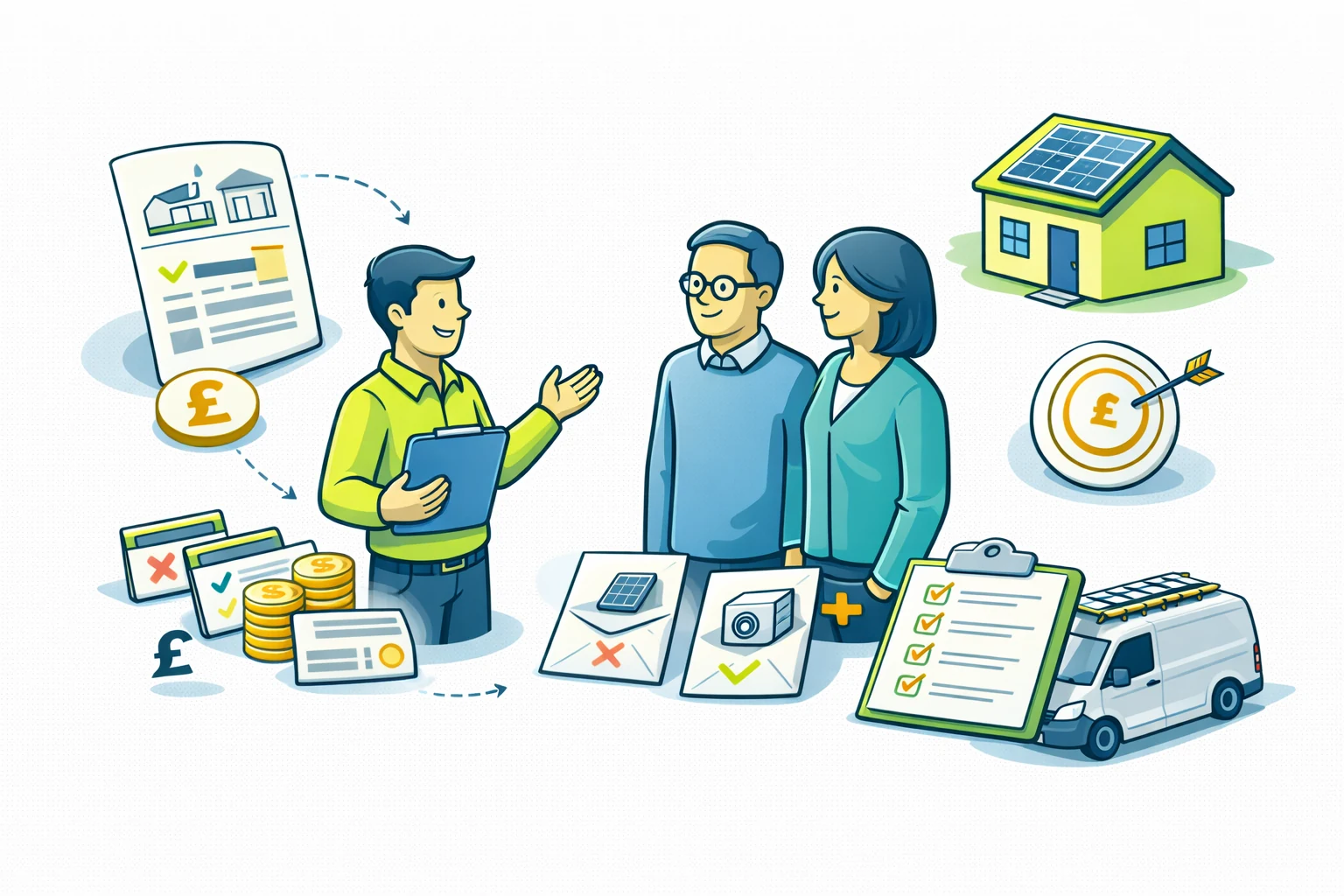
xenscope supports more effective and respectful engagement by:
- Grounding conversations in real property and energy performance context
- Understanding likely affordability pressures before outreach
- Avoiding one-size-fits-all advice or inappropriate offers
- Supporting tailored pathways to grants, upgrades, or advisory services
- Outreach teams spend less time contacting households who don’t need help.
Households who do need support feel understood, not targeted.
Focus on the Right Households.
Make Every Intervention Count.
Support those under pressure
Use data you can explain
Act with confidence and care